In the slums of Kenya, hot meals are doing more than curing hunger—they are keeping young girls in school and breaking the cycle of poverty.
“Mom, what’s for dinner tonight?”
“I’m sorry, sweetheart… nothing tonight. Maybe tomorrow.”
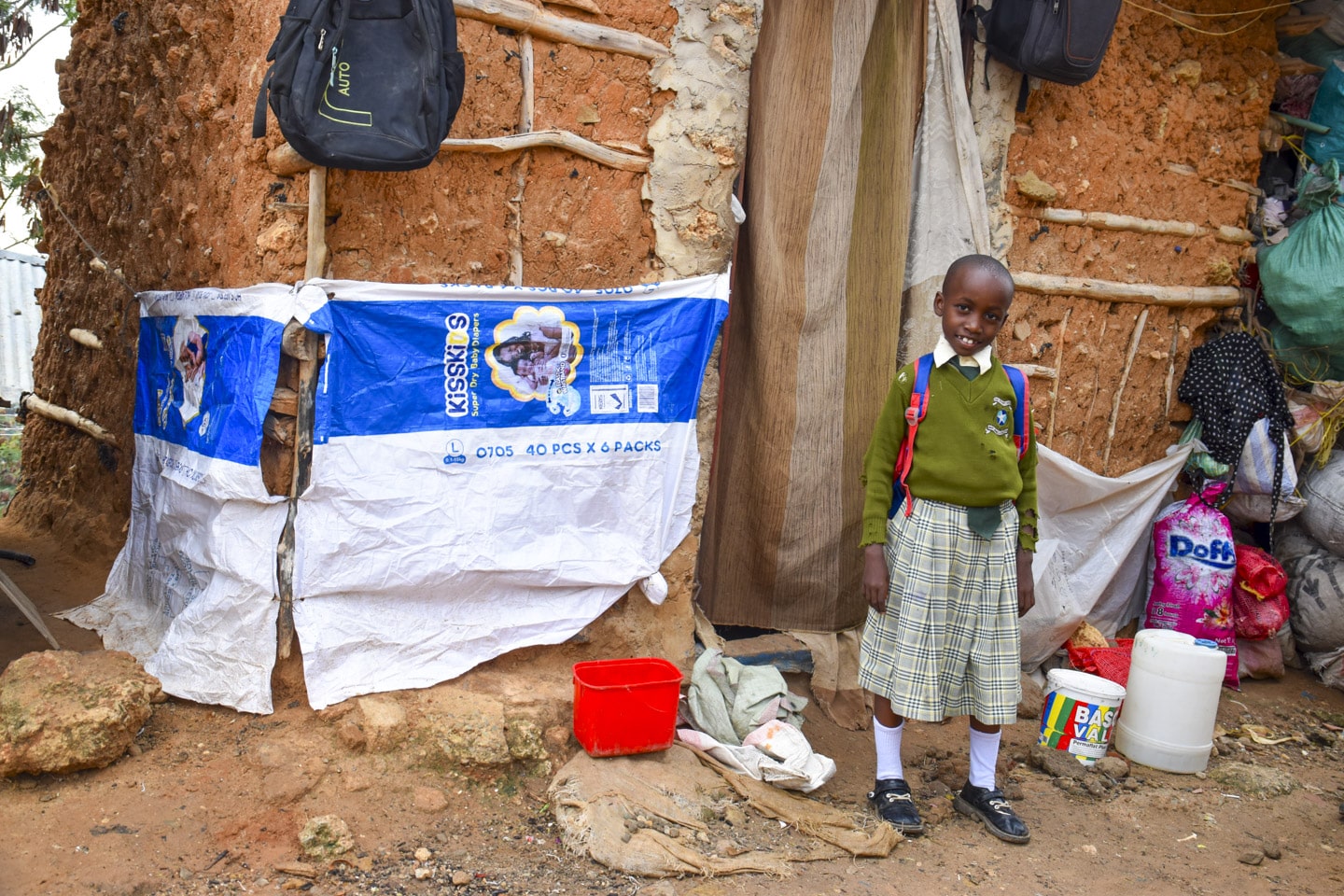
How would it feel to be a parent giving that answer—or a child receiving it? Nine-year-old Damaris knows that painful silence all too well. That is why Star of Hope ensures that Damaris and hundreds of children in the Mikindani slum receive both breakfast and lunch at school every day.
Real Families, Heavy Burdens
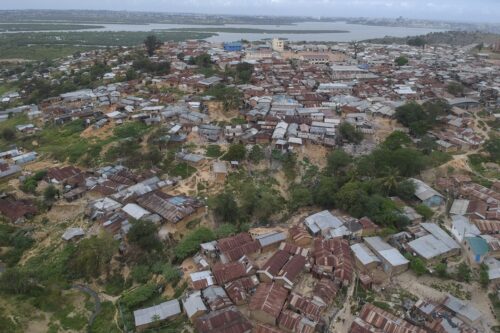
In the informal settlement surrounding the Star of Hope School in Mikindani, Kenya, every family carries a heavy load.
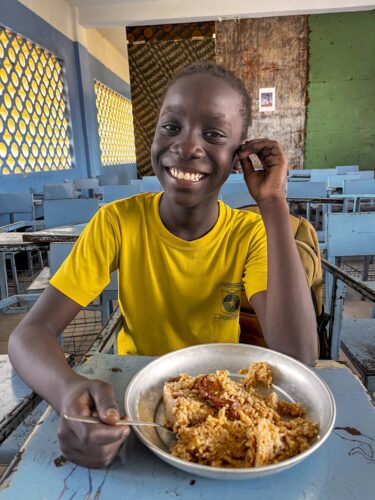
Susan enjoys lunch(Age 12)
Susan’s father relies on regular dialysis to survive, while her mother is fighting throat cancer. Susan’s mother was forced to drop out of high school years ago to support her own sick mother, and she is determined that her illness will not cut short her daughter’s education, too.
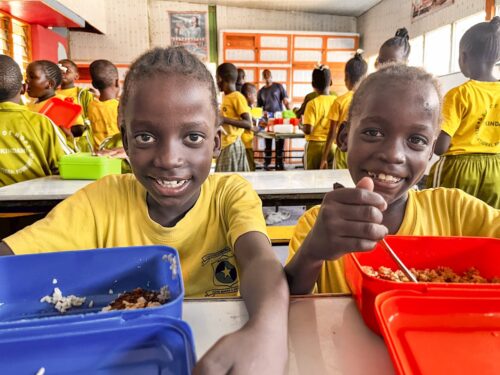
Abigael & Dorcas (Age 7)
Janet, a mother of five and an orphan herself, contracted HIV from her late husband. Her twin daughters were born with the virus. Since their father passed away, the family faces an agonizing decision each month: pay rent or buy food. They sleep under a roof, but go to sleep hungry.
Damaris (Age 9)
Damaris also lost her father. Her mother collects discarded plastic bottles from sunrise to sunset. For every 2.2 pounds of plastic she collects, she earns barely 20 cents. A standard 16.9 oz bottle weighs under an ounce. It takes no math genius to understand why Damaris often goes to bed hungry. Thanks to people like you he gets lunch.
Why the Lunchroom Changes Everything
Right here, in the gap between meals, a child’s future hangs in the balance. Well-nourished children have the energy to focus and learn. Children weakened by hunger fall behind and eventually drop out.
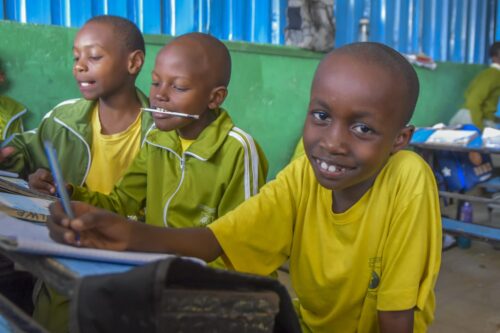
When extreme poverty strikes, daughters are almost always the first to be pulled out of school. The Star of Hope school kitchen turns that reality around by offering free breakfast and lunch, extra nourishment for vulnerable children fighting illness, and tuition relief for families in need.
“It means everything to us,” says Damaris, who walks 30 minutes every morning to attend class. “I can concentrate now, and my mom doesn’t have to worry. My dream is to become a teacher and inspire others.”
2,600 Meals Served Every School Day
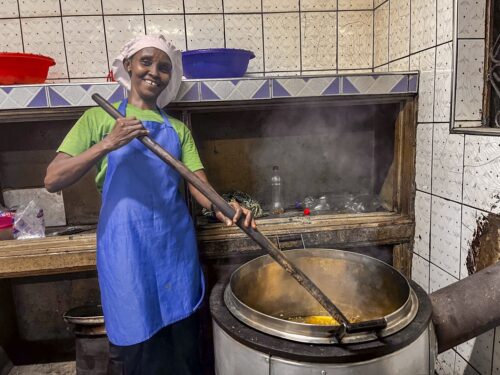
Our dedicated kitchen staff works tirelessly to feed the minds and bodies of Mikindani’s youth.
There is a proven link between educating girls and uplifting entire nations. Educated women foster stronger local economies, healthier families, and lower poverty rates. Slowly but surely, one nutritious meal at a time, perhaps luunch. We are shaping a brighter future for Kenya’s children.
Mikindani
Just for fuun, what is the big difference between schools in Kenya and the US?
While both Kenyan and American school systems prepare youth for the future, their structures and daily realities diverge sharply. Kenyan education relies on a centralized national curriculum with mandatory school uniforms, where high-stakes national exams heavily dictate academic progression. In contrast, American education is decentralized, with curricula and funding managed by local school districts and states. While American schools generally emphasize technological integration, diverse electives, and extracurricular programs, many Kenyan schools—particularly in developing regions—focus intensely on foundational literacy, discipline, and essential community support like daily meal programs, reflecting distinct societal priorities and economic environments.
Give Hope Today
Your tax-deductible gift ensures children in Mikindani receive daily meals, care, and quality education.
$25 feeds a child for an entire month | $50 provides meals & school supplies